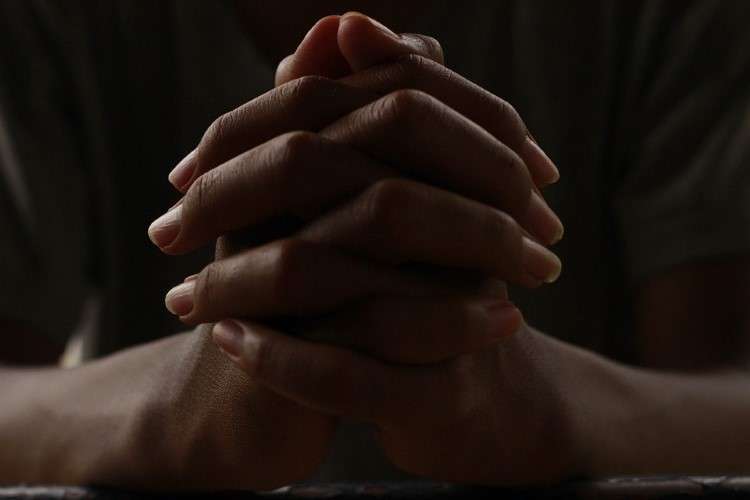
If you do not pray, the chances are you are rarely going to be able to hear God, know His direction and guidance or experience His intimate comfort.
It’s not an excuse. It is reasonable to say that no one finds prayer easy or even intuitive. The disciples, having observed Jesus at prayer come to him with the request that Jesus teaches them to pray, just as His cousin John the Baptist had taught his disciples. There is a myth that we can never learn to ‘truly pray’. John the Baptist’s disciples had been taught, and Jesus did not challenge that assertion. His response to his disciples was a simple one packed with meaning, ‘when you pray’.
We can pray! We just do not always know what to say, when to say it or how to ask. Put anyone in a traumatic, life-threatening situation and they will pray. It is not that we can’t, it’s that we don’t, and it is no different for the Christian, whether or not they are a prophet! Our reluctance reflects issues of our heart. There are a number of reasons that we do not, or are reluctant to pray:
-
A despondent or disillusioned heart
-
Lacking conviction that God hears and answers and rewards prayer
-
Unconfessed sin – or an overwhelming guilty conscience
-
Overwhelming circumstances that take our focus away from God
-
A proud (arrogant) heart that does not recognise that we depend on God for everything
-
Insecurities or rejection
The list could go on and on. Simply put, we need to pray. It is not enough to just read the Bible.
The best Cook is the one that has read the recipe and talked to the Chef!
Prayer doesn’t come naturally – we need to be taught. When someone first turns to Christ and places their trust in Him we show them how to read their Bible, encourage them to witness to others, and also to pray.
But we never show them how. It would seem that our personal prayer lives sometimes are something of a secret to protect our embarrassment – and we protect them under the guise that if we were to discuss it that we might get proud. Proud about what? Think about it! How long do you pray? What do you pray? How do you pray? They are not personal ‘taboo’ subjects!
If we come clean about our prayer lives we can encourage one another, and truly live our lives to the glory of God – encouraging others to press in too! Here then are a few things we can do to pray ‘better’;
-
Don’t come without direction – make a short list of who and what you are going to pray for.
-
Don’t assume you are going to pray – you won’t. Put some time in your diary. The distractions of life will draw you away from God.
-
Don’t overwhelm yourself. You are not going to be able to sustain a daily hour prayer from scratch. If you try it you will become disillusioned, bored and uninspired! Build up to it. I have used this idea with folk to encourage their personal devotions – and it really works!
3tprp – 3 times a day – tongues | pray | read | pray
So you could for instance decide to pray in tongues for just 10 minutes, pray normally (through your short list) for 10 minutes, read scripture for 10 minutes and then pray in tongues for 10 minutes. That would result in you spending 40 minutes intently focused on God. Do that Three times in a day and you have spent 2 hours with God!
Let me pre-empt an objection. It is not about how long we spend with God but we do need to spend some time with God, every day. It is not enough to just think about God. The atheist does that when they are trying to convince others that He does not exist! Ironic.
I have one last consideration for you. In the early days of the book of Acts, God sends a believer, Ananias, to seek for Saul. “And the Lord said unto him go into the street which is called Straight…for behold, he prayeth” (Acts 9:11). God had put his mark on Saul of Tarsus, and the way that he would be recognised was a simple one, he prays.
Turn your PC off for a while and pray. And if you don’t know what to pray for, pray for me! God is good.