
3 hindrances to hearing God

God wants to speak to His people.

3 Hinderances

All prophetic ministries know that there are three ways that God  speaks, excepting of course, for His audible voice.

And at times, He really does speak with an audible voice. But some prophetic people have other ways that they perceive that they catch the whisper of God . .  and to be frank, they are not good, and they’re not God. I want to urge you with three ways to hear God speak, but first – here are some hindrances to avoid, so that you don’t stop hearing God.

The German proverb is that all good things come in three. That is, except these, (but there are a lot more);

1. Don’t use the internet as a source of revelation. 

Really? One particularly well known prophet expressed to me his concerns about Israel, and that God had told him ‘this and that’. I later discovered that he had read the Jerusalem Post website – and he admitted as much! Awkward.

2. Hurricanes are a lot of wind.

How about this account of a hurricane: “The winds whipped up to 130 mph, snapping pine trees like pick-up sticks and blowing houses into oblivion. A surge of water, 21 feet high at its crest, engulfing victims as they desperately scurried for higher ground. The merciless storm, pounding the coast for hours with torrential sheets of rain, was like nothing ever seen before.

One observer predicted the damage would linger for decades. This wasn’t New Orleans in August 2005. This was New England in August 1635, battered by what was later dubbed “The Great Colonial Hurricane” — the first major storm suffered by the first North American settlers, just 14 years after the initial Thanksgiving celebration in Plymouth Colony.

The Puritans, after landing at Plymouth Rock, endured disease, brutal winters and battles with the natives. But their biggest test roared up the coast from the south, an unprecedented and terrifying tempest that convinced rattled residents the apocalypse was imminent.”  [USA today]

And still today, many revelatory people speak that God has shown them ‘this and that’ and that there will be a hurricane – in the hurricane season!

But the hurricanes come every year, even when the Pilgrims landed – and there are many who would think that would be an excellent year for no hurricanes!

It’s a lot more difficult to predict an earthquake, especially when it is not on a fault line! God would have to speak for you to get that one right!

3. Don’t Limit how you listen to God.

Who on earth would ever consider that prophetic people would take such an outrageous step? But it is what happens when presumption comes knocking at the door. Unless God is really insisting and speaking loudly (in which case you had better listen!) if you are not taking time to listen, you will not hear.

Don’t assume you will -remember Samson, he assumed that God would be with him and on him as at other times, and was unaware when the Spirit departed from him.

Turning a deaf ear to God is also not a good idea, as Jonah discovered. How you are listening in this media driven, visually enticing, loud world can be a problem. Nothing beats silence and solitude where the only distraction is your mind. And that is where the discipline of authentic prophetic ministry helps; prayer, scripture and meditation.

By meditation, the suggestion is that you spend time considering what God has shown you, consider what the Scriptures are saying. And heed the call that the Apostle Paul makes, to pursue love, and earnestly desire the spiritual gifts, especially that you may prophesy. (1 Cor 14:1)

God wants to speak to His people. Listen carefully for His voice and you will hear it. You will be surprised at how much the Living Word has to say to the glorious Bride of Christ.

Planting Oaks

Planting Oaks

Not Just Waiting for the Rapture

Planting Oaks

I wonder if one of the strong messages of prophetic ministry at this time, with all the chaos going on in the world, is to take a pause on “the end is nigh!” stuff and concentrate on continuing our adventure in faith, obedience, and single-mindedness in fulfilling the mission. The way we build the church now will affect what it looks like in 10, 20, or 30 years.

We can get caught up in waiting—waiting for the weekend, retirement, or for something big to happen that’ll change everything overnight. In the church, we’ve got folks waiting for Jesus to return like they’re standing at a bus stop, eyes on the horizon, checking their phones and social media, wondering if He’s running late.

Don’t get me wrong—Jesus is coming back. He promised. The question is, what do we do in the meantime? Do we sit on our hands, staring at the clouds, or do we roll up our sleeves and get to work?

As usual, the Bible has much to say. God speaks through Jeremiah to His people, exiled in Babylon—longing and desperate for rescue, desperate for a quick escape. And God tells them:

“Build houses and live in them; plant gardens and eat their produce. Take wives and have sons and daughters… multiply there, and do not decrease. But seek the welfare of the city where I have sent you into exile, and pray to the Lord on its behalf, for in its welfare you will find your welfare.” (Jeremiah 29:5-7)

That’s not exactly the “hang in there, I’m coming soon” message they were hoping for. It’s a long-haul vision with God saying: I know where you are, and I need you to invest in it. I need you to plant your roots deep, build something that lasts, and bless the place where I’ve put you.

The Call to a Long-Haul Church

Perhaps we need to encourage the church to take this seriously—instead of fixating on an exit strategy, we should build for the next generation and the one after that. What if we thought in decades, not just days? Take a look around your church, and you’ll see so much provision and potential for the future. We’re an apostolic church on a mission, not an evacuation project.

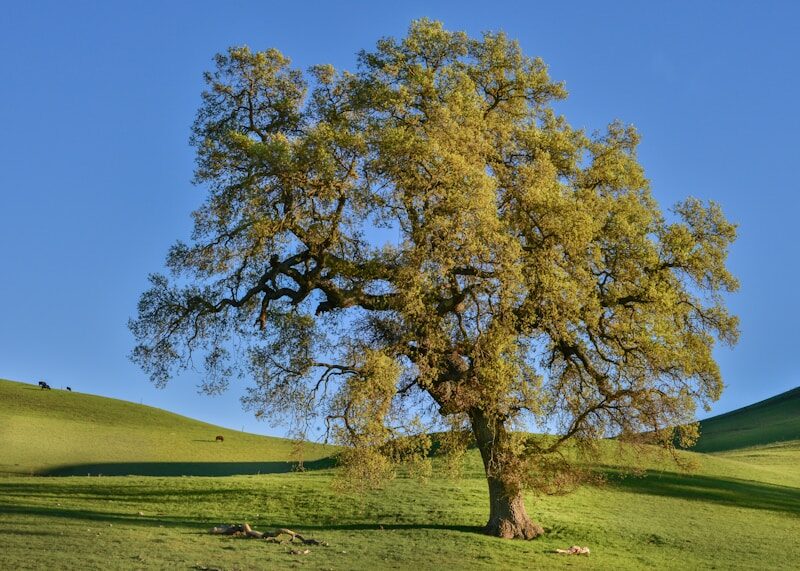
The cities and suburbs of our future need churches that are radical, relevant, and ready—not in a trendy, fleeting sense, but in a deep, enduring way with great histories of God’s provision, kindness, intervention, and breakthroughs. We are involved in something now that affects the future. We want to plant, establish, and grow churches that don’t just react to culture but shape it—communities of faith that don’t crumble under pressure but stand like mighty oaks, offering shade and strength to a weary world. And then plant some more …

But to do that, we have to shift our mindset.

Be Radical

A priority must surely be that we are rooted in the Kingdom, not the calendar. Being radical doesn’t mean being reckless—it means going back to our roots: the gospel, the Kingdom, and the mission of God. It also means making disciples, loving our neighbours, and carrying the cross daily, not just talking about it.

We don’t want to be a church with an expiration-date mentality, built on quick fixes, shallow trends, and short-term thinking. As a radical church, we are built on the unshakable foundation of Christ that doesn’t change with the winds of culture because it’s anchored in something eternal.

When Jesus talked about the Kingdom of God, He compared it to a mustard seed—something small that grows into a great tree (Matthew 13:31-32). That’s a long-haul vision. That’s radical patience, radical endurance, and radical commitment to the slow, steady work of God. It’s a church that is solid—pleasing to God.

Be Relevant

Relevance isn’t about keeping up with the latest fads; instead, it’s about being deeply present where God has placed us. It’s about understanding the fears, hopes, and struggles of the world around us and speaking eternal truth into real-life situations. Jesus was always relevant but never compromising. He met people in their reality—whether it was a woman at a well, a tax collector up in a tree, or a fisherman with empty nets. He spoke their language, understood their needs, and invited them into a bigger story.

Being relevant means you can (and do) make a difference. We’ve got the answers.

A long-haul church listens before it speaks and serves before it shouts. It engages the world with wisdom, not panic. It doesn’t retreat into a bunker, waiting for the rapture, but moves boldly into the future, knowing God is already there—waiting for us.

Be Ready

We are called to be ready—preparing for the future, not fearing it. The world is shifting fast. Technology is changing the way we connect, think, and learn, and culture is evolving. The challenges are real, but here’s the thing—God is not anxious about the future, and neither should we be.

With these qualities—radical, relevant, and ready—we are a church that is prepared, not paranoid. It doesn’t just react to multiple crises; it plans from a place of vision for what’s ahead. It invests in the next generation (while not overlooking the older trophies of grace), raises up leaders—leaders of leaders—builds strong families, and equips believers to live faithfully, whatever comes, with a passion and purity of heart.

Jesus told His disciples to be watchful and wise—like servants who don’t just sit around waiting for their master to return but stay ever faithful in their work (Luke 12:35-40). That’s readiness—not fear, but faithfulness.

We don’t know when Jesus is coming back, but we do know He’s given us work to do and that every act of love, every disciple made, every church planted, every community transformed—it all matters. It’s not wasted; it’s Kingdom work.

So, as Jeremiah said—build houses. Plant gardens. Raise up leaders. Seek the welfare of your city. Live with hope for the future, but put your hands to the plough – revival is coming, but it might be quieter than you imagine.

The church isn’t meant to be a waiting room for heaven—it’s meant to be a preview of the Kingdom, a signpost of God’s future, planted in the soil of the present.