And Why It Will Bring the Best Out in You

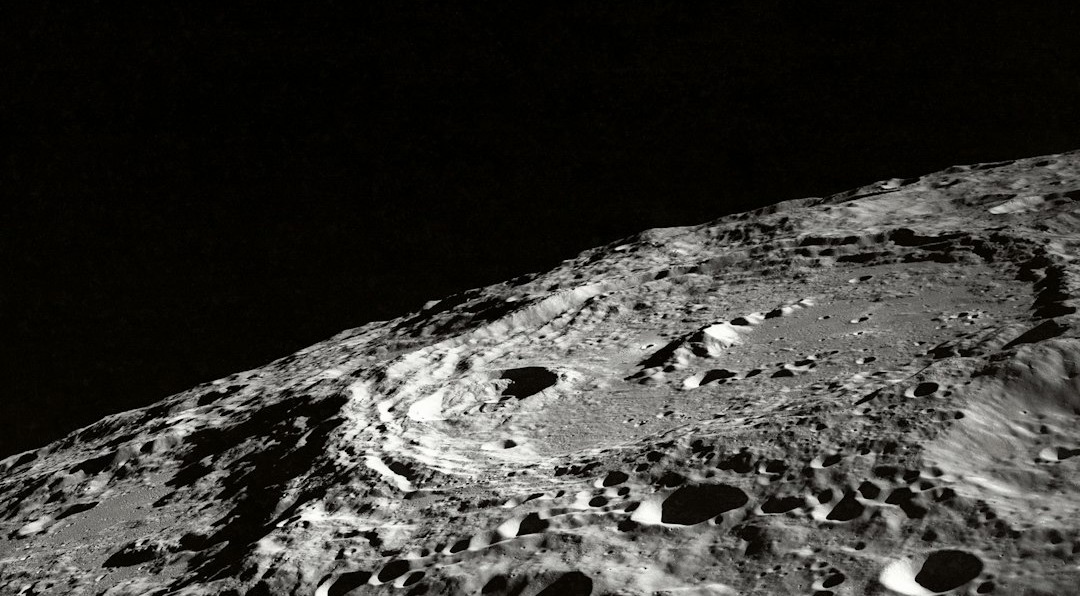
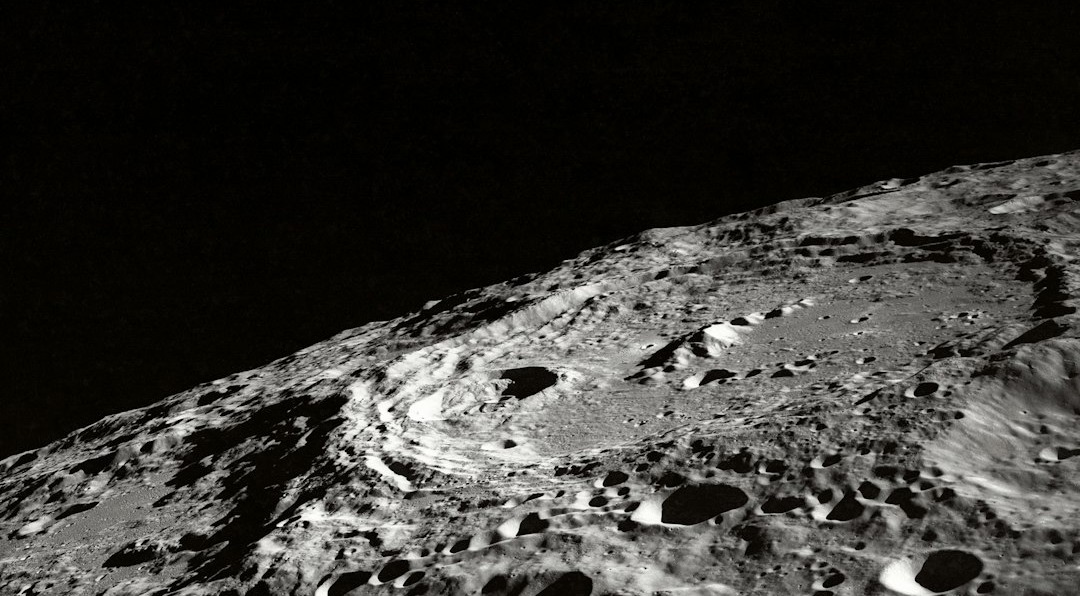
My last post was about the dark side of the moon, the other side. In the last few days the astronauts have been floating around the press calls, amazing pictures have dropped and now we wait for the film! Until then, have you considered that there is actually one darkness that finds you whether you’re looking for it or not. Great crunching gear-change!
There’s a psalm in your Bible that doesn’t end well.
No resolution. No breakthrough. No final verse where the clouds part and the light comes flooding in. Simon and Garfunkel had a brilliant song back in the last century, ‘The sound of Silence’ with the well known words,
“Hello darkness, my old friend
I’ve come to talk with you again…”
Such is Psalm 88. It starts in darkness and it ends in darkness – and God in His sovereign wisdom, left it brushed and pasted right there in Scripture. Don’t be tempted to jump to the next song, stay with it, it’s not a comfortable read when you are feeling at the end of your tether, but… it will remind you of God’s presence.
The man who wrote it wasn’t fragile. Heman the Ezrahite was a sage whose wisdom rivalled Solomon’s. His name sounds like something out of the Marvel hero dynasty. He’d been carrying this weight since his youth and wasn’t writing from the other side of it. He was writing from inside it. The final Hebrew word of the psalm is mahsak – darkness. No softening. No tidy Piper-esq theological pivot. Just darkness, as the last word. And God placed it Scripture. For you.
I’m currently reading Matt Hatch’s excellent new book Trials that Transform: How God Uses Suffering to Shape the Soul – and I find myself wondering whether this particular darkness, this mahsak, makes it in. It should, because what Heman gives us isn’t a chapter on suffering. It’s suffering with a pen in its hand.
What do you do with that?
You recognise it. Because if you’ve also walked through a long unrelenting season – where prayer felt like speaking into a wall, where the people around you drifted, where your own emotions started lying to you – you know this psalm from the inside. The fact that God preserved it, authorised it, placed it between battle hymns and songs of praise, tells you something important. He is not embarrassed by your darkness. He built room for it in His Word.
I lay in bed last night thinking about when Solomon dedicated the temple in 1 Kings 8, the glory of God filled the house – it came in the form of a thick cloud. Darkness. The priests couldn’t even stand to minister. And Solomon, looking at it, quotes Exodus: “The Lord said He would dwell in thick darkness.” Not in spite of the darkness. In it. It spoke of dense, heavy obscurity. The same word used when Moses drew near to God at Sinai while the people stood at a distance.
What this means, grab your coffee and get ready to stare out of your window, is that the darkness you’re in may not be God’s absence. It may be His address. He’s there. Also there.
Elsewhere Matthew 27:45 draws us deep into the gospel narrative, telling us with a hushed whisper, that from noon until three in the afternoon, darkness covers the entire land. Not metaphorical darkness. Actual, physical, mid-afternoon darkness. Right in that moment, wrapped inside it, Jesus cries out, “My God, my God, why have you forsaken me?” The Son of God, perfect, sinless and without guilt or shame and for our sake, enters the mahsak. Fully. Without reservation. He did not stand at the edge of human darkness and offer comfort from a safe, discrete distance. He went in. And then He took it somewhere Heman never could – through death and out the other side.
And that is what you call a ‘mic-drop’.
The miracle of Psalm 88 is not that Heman found relief, but such was his character and walk with God that he never stopped praying. He ended in darkness, still talking to God. Faithful. That’s not defeat. That ‘s the most profound act of faith in the entire song book. You are welcome to do the same. You are allowed to say, ‘I don’t understand this’. I don’t feel You. I am not okay. And I am still here.
The darkness is not a pause in your story. It is active. Something is being built in you that cannot be built any other way.
That’s the case in Romans 5. Paul insists, (and it’s more than a good flow of the pen) that suffering produces perseverance, perseverance produces character, character produces hope. That’s worth memorising. There isn’t a shortcut. God didn’t build one in. The compassion that actually reaches people comes from having been in the pit yourself. The faith that anchors others in a storm only exists in someone who has been in the storm.
Joseph (of amazing Technicolor dream coat fame) knew this. Thirteen years between the dream and the throne – betrayal, slavery, false accusation. When he finally stood before the brothers who sold him, what emerged wasn’t bitterness. It was the understanding, “You intended to harm me, but God intended it for good” (Genesis 50:20). That could only be spoken by someone who’d been through what he’d been through. The darkness Joseph experienced didn’t disqualify the dream. It prepared the dreamer.
I’m done. Long seasons of suffering can disorient us, make us lose our bearing. Heman began to believe God’s purpose was to terrorise him. It wasn’t. The feelings were real – but they were not accurate. The person who comes through the dark times is not the same one who walked in. You will have a theology that can’t be shaken easily, because it was tested. A faith that isn’t borrowed from someone else’s testimony. It’s yours.
And somewhere in that thick darkness, closer than you think is the God is who there. Keep praying, believing and being faithful.