
Hebrews Eleven

Whenever you feel complacent a good antidote is to turn to Hebrews 11. This historical narrative, filled with characters of every kind and inclination, is so rich with stories of God’s intervention, provision, and providential kindness that it is nothing short of breathtaking.

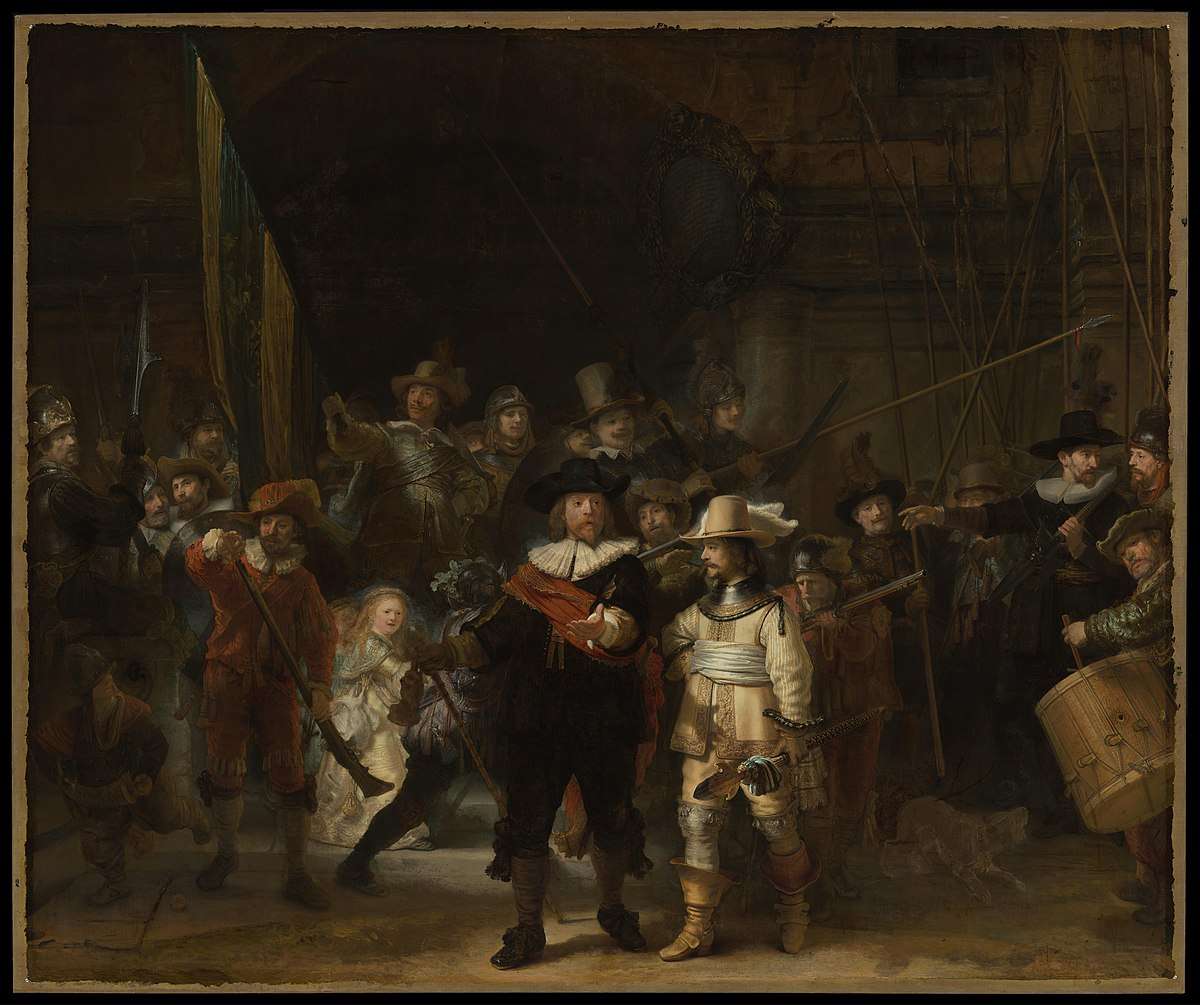
To read about them is like gazing in wonder at Rembrandt’s enormous 3m x 4m painting, “The Night Watch.” There is shape, shadow and colour everywhere; brightness and light, shadows and foreboding. There is no avoiding the elephant in the room — we know every person mentioned committed some misdeed, but we also know about the wonder of grace — we don’t fully understand it, but we have also experienced it.

The “who’s who?” list

I think we all (or at least I hope we do) want to replicate what we have read and imagined from the wonderful story, and take time to pause, reflect and enjoy the fact that they were all “men and women like us” (James 5:17)? What is interesting, even here in the narrative of Hebrews 11, is the message of grace. It’s subtle but overwhelming once you see it. It is an unapologetic record of those who pleased God,

  “By faith Abel offered unto God a more excellent sacrifice;”
  “By faith Enoch was translated;”
  “By faith Noah built an ark;”
  “By faith Abraham went out into a place that he should afterwards receive;”
  “By faith he sojourned in the land of promise;”
  “By faith Sarah bare Isaac;”
  “By faith Abraham offered up Isaac;”
  “By faith Moses gave up the wealth of Egypt;”
  “By faith Isaac blessed Jacob;”
  “By faith Jacob blessed the sons of Joseph;”
  “By faith Joseph, when he died, made mention of the departure
of the children of Israel;”
  “By faith the Red Sea was dried up;”
  “By faith the walls of Jericho fell down;”
  “By faith the harlot Rahab was saved;”
  “And what more shall I say? for the time would fail me to tell of Gideon, and of
Barak, and of Samson, and of Jephthah, of David also, and Samuel, and of the prophets.”

Those names matter!

You will have undoubtedly skipped over a few of the names, but these people’s names matter – God is commending them for their faith. And there were others. In the face of great power, they saw God’s remarkable answers to prayer, and some, despite not seeing what they expected, showed great faith by remaining faithful, refusing to turn away from God’s promise. Yet not one of them is commended for their faithfulness. That magnificent award is kept for God alone. It is God who keeps and watches over us. He is the Rock that never moves. Jesus does not appear in the list of these outstanding people, but he is the one behind their stories.

I want greater stories of God’s interventions, greater miracles, greater healings and a greater sense of God’s Presence in the Church. This is not a prescriptive rule; we can’t force things to happen, but I think that’s when faith makes a difference.

God has not forgotten the Church – it’s time for an unprecented move of God – whether you’re ready for it or not!

If that means a life of faith, miracles, healings, signs and wonders, dreams and visions, and prophecy, lots of prophecy then count me in!

Remember Moses just casually feeding sheep and then everything changes; a bush, a fire, a voice and then a commission?
Remember Jacob going for a walk and suddenly finding himself wrestling with God all night?
Remember the thief sentenced to death and suddenly being given eternal life in Paradise?
Remember the day you woke as a sinner and went to sleep reconciled to God, justified, holy and blameless?
Remember, remember, remember …

What time is it?

Are we hearing great sermons that are inspiring, intellectual, full of alliteration, with clear, creative, and challenging messages today in our predominantly middle-class churches whilst sadly losing the radical edge – signs and wonders accompanying the word?

I’m convinced it’s time to see some changes, time to step out in radical faith, and time to see God move. Time to see the gifts of the Spirit lavishly flowing amongst God’s people in an expression of His tidal wave of grace

The apostle James told us to draw near to God, and He would draw near to us; our problem is finding Him, so we can draw near to Him. In looking back at biblical characters and even the recent, historical figures who saw God’s moves and works, it soon becomes apparent that there is a single common trait; a level of trust and obedience expressed in faith.

Follow the leading of the Spirit

The starting point to seeing and experiencing these things is being obedient to God’s word and the leading of the Spirit – “Whosoever has my commands and obeys them, he is the one who loves me. He who loves me will be loved by my Father, and I too will love him and show myself to him.” (John 14:21)

Our intimacy with Jesus will grow through obedience to Him. If we want to know the Father, it’s not enough to simply love Him; we must also obey Him. The Bible is explicit that we need to know the Father through His Word, and if we want to be a part of what the Father is doing and to be able to see where He is going, we must not only be biblically literate but biblically obedient. That’s not something that comes easily or as a default position, but it is something we endeavour to grow in.

Obedience – Trust and obey!

Trust in the Lord with ALL your heart

Obedience to Christ shows that we know that He is God, and we are not and demonstrates our vulnerability, we need Him.

Trust and obedience must go hand-in-hand and that means in difficult, awkward and hard-to-understand circumstances, we choose to trust. Proverbs 3:5-6 says, “Trust in the Lord with all your heart and lean not on your own understanding; in all your ways acknowledge him, and he will make your paths straight.”

That is one of the most important texts in the Bible for us – trust is also an obedience issue. We are commanded to trust the Lord. Therefore, total commitment to Jesus means trusting even when we don’t know the whys or how’s of what’s happening all around us daily.

It is encouraging to read about all the people mentioned in Hebrew 11 who were marked by trust and obedience, but it is also encouraging to note that like us, many of them had their mistakes.

Hebrews 11 is not a benchmark for us, but it is a reminder that all things are possible if we trust God; faith is having confidence in what we hope for and assurance regarding what we do not see.

My confidence is we will see an unprecedented surge of people turning to the Lord across the entire nation as a result of a major outpouring of the Holy Spirit. My assurance is that we are going to see that happen!

Is God angry with you?

Is God angry?

Exodus 34:6, Psalm 103:8, Psalm 145:8, Psalm 86:15, Joel 2:13

I’m not surprised you visited this page? It’s a good question and it needs a serious answer. Is God angry with you? Have you ever felt like God has it out for you? Well, the good news of a sort is it’s not you. Well, it is, but let me explain… 

The truth is that God is angry at all sin, and the wages of sin is death (Romans 6:23). Well, there we go; have a nice day!

It does get better though, much better. The overwhelming good news is that God is a God of love (1 John 4:8) and mercy (Ephesians 2:4-5). This unsearchable, and immeasurable love stands in stark contrast to His anger against sin, and is itself the antidote to that anger. Let’s be clear though, it wasn’t anger that caused God to intervene in history, but unconditional love; He loves us so much that He sent His Son, Jesus Christ, to die for us (John 3:16).

God loves us so much that He is continually working to draw us to Himself and is why He sent the Holy Spirit to live within us (Romans 8:1).

To appreciate the change and transformation that has happened for us as we follow Christ we have to consider the Person who has ransomed, healed, restored and forgiven us.

To appreciate the change and transformation that has happened for us as we follow Christ we have to consider the Person who has ransomed, healed, restored and forgiven us. What is so special about God, that allows for us never to face His fearful wrath and anger?

The character of God

Trying to describe the character of God is overwhelming. The bible says that his ways are higher than our ways and his thoughts higher than our thoughts. He is infinite and perfect. He is the Creator of Heaven and Earth. But what makes God so perfect, so wonderful, so amazing, is his character.

When the people who under the inspiration of the Spirit wrote the bible contemplated the mystery of God, they consistently described his character like this; compassionate and gracious, slow to anger, and full of loyal love and faithfulness. He is the ultimate example of the most infinitely loving thing imaginable.

There is an interesting tension that exists in the bible with regards to the idea of God’s anger. When you read the bible and see what God does, you would think that he is mostly angry, striking people down for their sins. The reality is that his anger in the bible is way more nuanced than that.

Long of nose!

While the English version of the Bible is filled with all sorts of beautiful language and metaphors, sometimes the Hebrew version is even more creative… and funny! In Hebrew, the expression “slow to anger” is pronounced “erik apayam” or literally “long of nose”, but what does a long nose have to do with God’s patience? In biblical Hebrew, one way to say someone is angry is to say “their nose is burned hot!”

In the story of Joseph, when Potiphar thinks that Joseph tried to sleep with his wife his nose burned hot. It’s usually translated “his anger burned.” To the modern mind, this idea of burning anger is very foreign. If we hear someone say “I’m burning with anger,” we picture a loud, wild person. But from an ancient perspective, a burning nose is normal. It describes how your body, especially your face, heats up when you’re angry, and so in Hebrew anger is also called “nose,” “heat,” or “hot nose.”

Defining wisdom

On the other hand, someone with great patience is called ‘long of nose’. It takes a long time for their nose to get hot like in the biblical proverb. It is their long nose — that is, their slow anger — that defines their wisdom.

These metaphors are based on our experience of hot anger to describe how God feels when he witnesses human evil, just as you might get angry if you observe a child being bullied on the playground. So God gets angry when humans oppress each other and ruin his world.

Anger and love

The bible describes God’s angry response as an expression of his love for the world, but he is slow to anger, which means he gives people ample time to change. It’s a subject which has been argued about for centuries. Most of the anger people see in God is actually their own personal reaction to God. As their (unfounded) anger toward God grows, so does their distance from God.

God has a plan for each of us if we are willing to follow his will and his guidance.

Have you ever had a job, friendship or situation that got in the way of your faith? Have you ever had to choose between your job and your walk with God or been in a spot where you weren’t sure what to do? God has a plan for each of us if we are willing to follow his will and his guidance.

This is clearly seen in the life of Israel and their upcoming leader and hero of their faith, Moses. Prior to the exodus, when Pharaoh has enslaved the Israelites and thrown their babies into the waters, God sends Moses to confront him.

In response to Moses’ plea for Israel’s release, accompanied by ten plagues and judgements, Pharaoh eventually succumbed to Moses’ request, riding out with his chariots to destroy the Israelites, only for his army to be destroyed by God in the water. Pharaoh’s own evil has been turned back upon him – a demonstrable act of intense anger from God.

That sounds intense, but God would not be good if he didn’t finally do something about Pharaoh’s evil.

You did it – you pay for it…

In the Scriptures, you can see how God’s anger is expressed through making Pharaoh bear the consequences of his own actions, and that is how God expresses his anger in the narrative of the Israelites betraying the God who saved them for hundreds of years over and over again.

There seems to be no turning away from the false gods of other nations, despite many chances to turn around, change their hearts and follow Him. In response, we read that a ‘hot anger’ of God burned against the Israelites and what followed was that God delivered them to their enemies.

In his just anger, God gives them what they want as those nations circle back and defeat Israel, because they wanted to serve the gods of other nations.

Starting to see the solution

This is very similar to what the apostle Paul says in his letter to the Romans when he says God’s anger is being revealed against human evil, and then three times he says what that looks like. It is a very sobering thought.

Paul said God lets people live according to their destructive desires and decisions even if death is a result, but he also says God is patient, assuring people that they can come to their senses and change.

Why? Because God’s anger is a response to human evil, it is a reflection of a deeper trait he has: compassion and loyalty. God is not content to let people sit in their own self-destruction in the bible; God is on a critical mission to rescue. This is why Jesus said that he was going to Jerusalem to die.

God’s love revealed

As a demonstration of God’s love for his enemies, he would stand in the place of his people who were choosing self-destruction and take the full, terrible consequences of their decisions upon himself. In Jesus’ life, death and resurrection, we see God’s anger against evil, and his love for people working together to provide forgiveness, reconciliation and life for a humanity that is lost and self-ruined. Humanity had sabotaged its own relationship with God.

And so, it is apparent that God’s anger in the bible is significant, but by no means the end of the story. When God is angry and brings justice, it’s because he’s good, and he’s extremely patient, working out his plan to restore people to his love.

You can’t make God love you more, and you can’t make Him love you less!

That’s what it means, to say that God is slow to anger – and how necessary and complete the work of the Cross. With that understanding we can fully begin to appreciate that nothing can seperate us from the love of God in Christ. God has done it all, and at Calvary, satisfied His anger and His justice in the death, resurrection and ascesension of His Son Jesus for His people.

As the old saying goes, “You can’t make God love you more, and you can’t make Him love you less!”

Have a nice day!