
Listening to Dave preach on Philippians 2 recently, where he mentioned not doing things in our own strength, I realised that even after walking with the Lord for 45 years, I still sometimes fall into that ‘trap’.
It’s never intentional, but it happens. There are certainly tasks that fall under the category of “whatever your hand finds to do, do it with your might” (Ecclesiastes 9:10, ESV), but even then, it emphasises responding to what the Lord sets before us and how we should act. I know you can relate—we all know the experience of relying on our own strength, skills, and abilities, only to see things unravel. It’s an unsettling feeling—the moment you realise that your best efforts have fallen short.
The beauty of our faith, though, is that God continuously invites us into something far deeper and far better: reliance on Him. That reliance is about leaning on Him.
I love the Old Testament narratives. One of the most compelling stories in Scripture that addresses this struggle is the account of Gideon in Judges 6–7. Gideon’s journey loosely mirrors ours—his initial fear, his tendency to focus on his own inadequacy, and his slow but steady learning to trust in God’s strength rather than his own. It’s beneficial for us to examine his story and draw out practical ways we too can learn to rely on God instead of rushing ahead in our own strength.
When we first meet Gideon, the Israelites are oppressed by the Midianites. For seven years, the Midianites ravaged their crops and livestock, reducing Israel to a state of desperation. That’s where we find Gideon—hiding in a winepress, threshing wheat, trying to protect what little he had. As often happens in Scripture, God appears suddenly and unexpectedly—not with rebuke, but with a calling: “The Lord is with you, O mighty man of valour” (Judges 6:12, ESV). Read the room! Valour? The contrast here is stark—Gideon is anything but a picture of courage. Yet God speaks to him as though he already is what God intends him to become. That there is your medicine!
This brings us to the first step in learning to rely on God:
Recognising Our Weakness as a Gift
When God calls Gideon a “mighty man of valour,” He isn’t being ironic or having a laugh! He sees in Gideon what Gideon cannot yet see in himself. And that’s the first lesson for us—recognising that our weaknesses, insecurities, and fears are not barriers to God’s work. In reality, they are often the very places where God’s strength is best displayed. Knowing that God is not against you but instead is with you brings courage, hope, and exhilaration!
Paul echoes this in 2 Corinthians 12:9, where he writes, “My grace is sufficient for you, for my power is made perfect in weakness.” It is in our human frailty that God’s power shines brightest—not because we are strong, but because we are aware that we simply cannot do it on our own in a way that honours Him. Imagine a clay jar with cracks—when a light is placed inside, it is through those cracks that the light shines. In the same way, our weaknesses allow God’s glory to be revealed.
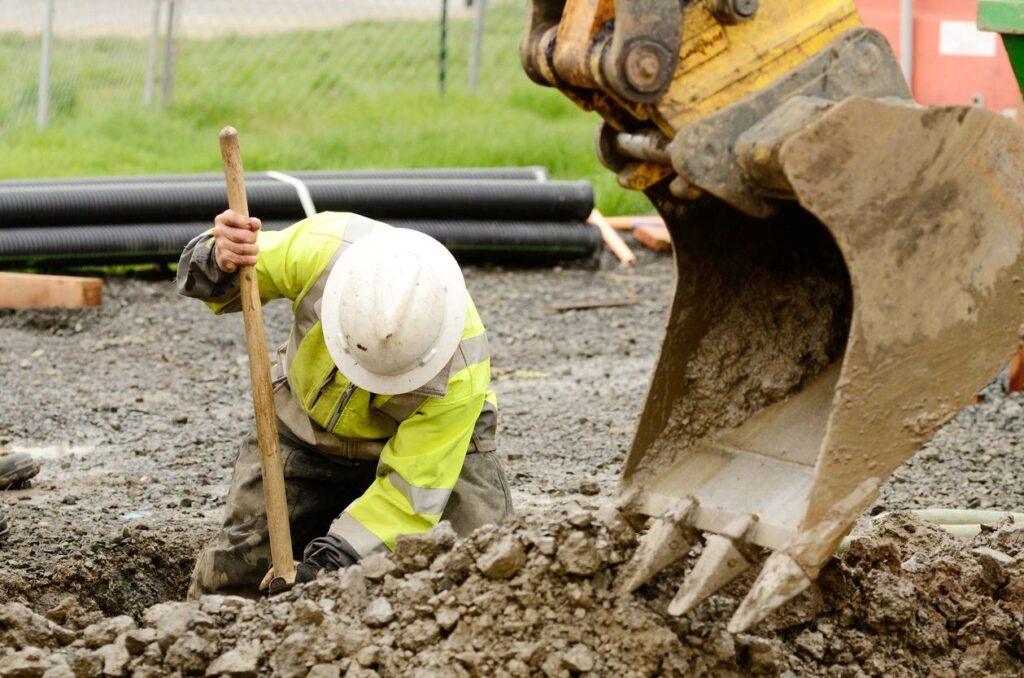
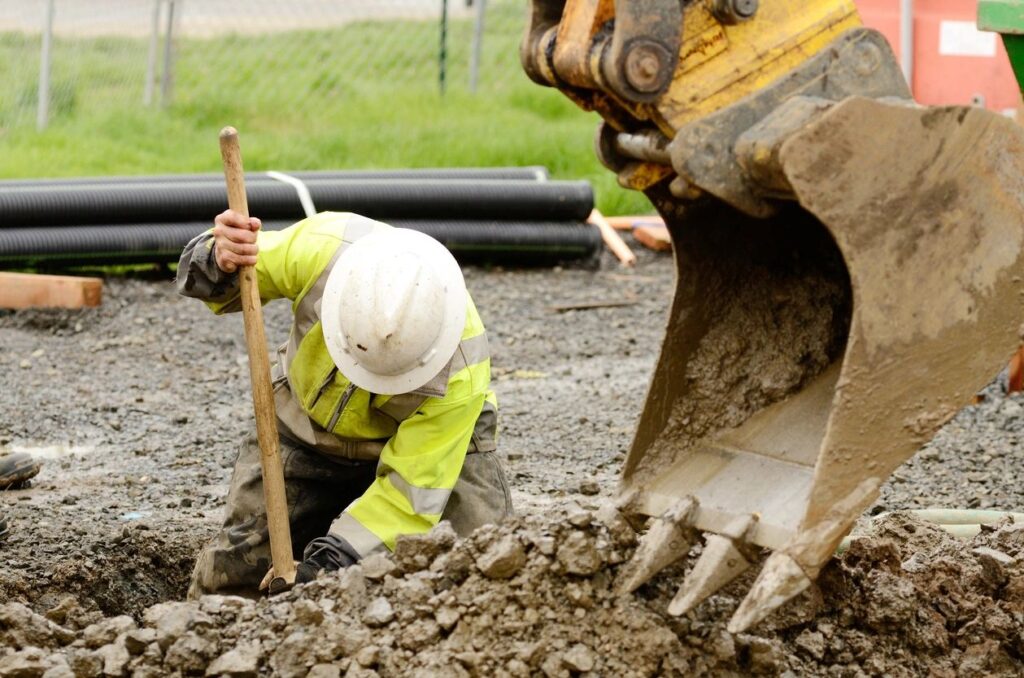
Practically, this means that instead of trying to cover up or deny our limitations, we should bring them before God and acknowledge them. It’s the best place to be able to say, “Lord, I know I don’t have what it takes here, but I trust You do.” It takes humility, but it also brings freedom because we stop carrying the weight of self-reliance. Why bend over with a trowel to till the ground when God can send a plough—and twelve oxen to pull it?
Seeking God Before Acting
After God calls Gideon, he doesn’t leap into action like Rambo or the Terminator. He hesitates, questions, and asks for signs. At first glance, it’s easy to criticise him for his lack of faith, but in reality, what Gideon is doing is turning to God at every step. He’s checking in—he wants to be sure that what he’s about to do is truly in line with God’s will. It’s a wise course of action. Gideon’s request for a sign with the fleece—first asking for it to be wet while the ground is dry, and then the reverse—is not a sign of unbelief, but a desire for confirmation. And God doesn’t reprimand him for it. God knows Gideon’s heart and motives, and whatever is going on in your heart today, God knows, understands, and is ready to help you. You are never alone.
Perhaps we need to remind ourselves frequently of the importance of seeking God before we act. Proverbs 3:5–6 puts it this way: “Trust in the Lord with all your heart, and do not lean on your own understanding. In all your ways acknowledge him, and he will make straight your paths.” That’s wisdom and discipleship in one package!
In practical terms, when faced with decisions—especially in moments of stress or fear—we need to pause. Instead of reacting impulsively or leaning on our own experience, we should turn to God in prayer, asking for His wisdom. That takes intentional and deliberate action. There’s something incredibly powerful in just stopping, even for a moment, to say, “Lord, I don’t want to do this in my own strength. I need Your direction.” I’m not good at this, but I am learning.
Think of it like driving in an unfamiliar part of your neighbourhood. We wouldn’t cruise down the road without consulting Waze or a GPS. In the same way, seeking God before acting aligns us with His wisdom and prevents us from veering off course.
Surrendering Control Daily
I love this part of the story! The moment Gideon’s faith is truly tested comes when God instructs him to reduce his army. It doesn’t make sense; it’s a challenge to faith and obedience, but God has a plan. Hmmm… what might God be up to in your life? Gideon had gathered 32,000 men to face the Midianites, but God tells him to send most of them home. By the end, only 300 remain. (How must the 300 have felt as they looked around?) The odds are now laughably impossible. Why does God do this? He tells Gideon directly: “The people with you are too many for me to give the Midianites into their hand, lest Israel boast over me, saying, ‘My own hand has saved me’” (Judges 7:2, ESV). God wants it to be known that it is not by might or power…
God understands our tendency to take credit for victories and successes. He knows that we often think we can handle things on our own, but He wanted to make it clear to Israel that the victory would be His, not theirs. The lesson for us is that we too need to surrender control—daily. This isn’t a one-time event; it’s a continuous, intentional posture of the heart. Every day, in every situation, we need to be willing to say, “Lord, not my will, but Yours be done.”
In practice, this can look like deliberately giving over our plans to God. Instead of tightly gripping onto how we think things should go, we need to hold them like the reins of a powerful horse—loosely. When we wake up in the morning, I suggest we offer our day to God: “Lord, I have plans, but I’m open to Your redirection. I trust You with the outcome.” This echoes the Lord’s Prayer (Matthew 6:10, ESV).
Remembering Past Faithfulness
One of the reasons panic may take hold in life is because we forget how God has shown up for us in the past. Spiritual amnesia, as some have called it, is one of the biggest obstacles to trust. We can face circumstances like a deer in the headlights—stunned! In the story of Gideon, before God calls him to act, He first gently reminds Gideon of how He delivered Israel from Egypt (Judges 6:8–10). God is essentially saying, “Look, Gideon (put your name here), I’ve been faithful before—I’ll be faithful again.”
We, too, need to develop a habit of remembering God’s faithfulness. Practically, this might mean keeping a journal where you record answered prayers or moments when God clearly guided you through difficult times. Then, when the next challenge arises, you can look back and remind yourself: “God was faithful then, and He will be faithful now.” This builds confidence, not in ourselves, but in God’s unchanging character—it’s worth the small effort.
Inviting support into the Journey
It’s easy to overlook, but Gideon didn’t go into battle alone. He had his 300 men, and even before that, he was accompanied by his servant, Purah, when God instructed him to go down to the Midianite camp for encouragement (Judges 7:10). God provides community and good friends in our moments of fear and doubt.
We need to surround ourselves with fellow believers in fellowship and friendship—people who can support and uplift us when we struggle to trust. Invite trusted Christian friends or mentors into your journey of learning to rely on God. Ask them to pray with and for you, to encourage you, and to remind you of God’s promises when they seem unclear. We were never meant to walk this journey of faith in isolation.
Practising Patience in the Process
As a final thought, one of the most challenging aspects of learning to rely on God is waiting. Gideon’s victory didn’t come instantly—it was a process. He had to trust God step by step, even when the odds seemed impossible. Waiting gives you time to waver, to give up, or to stand in faith, trusting and obeying. (Isaiah 40:31)
Learning to wait on God requires patience, but it also deepens our faith. When things don’t resolve immediately, we keep trusting. We don’t panic or rush ahead; instead, we remind ourselves that God is working, even in the waiting.
The journey of relying on God is not easy. It goes against our instinct to control, to act quickly, and to rely on what we know. But as we see in Gideon’s story, God is patient with us, inviting us to surrender, to trust, and to watch Him work.
His words to Gideon are His words to us today: “Peace be to you. Do not fear” (Judges 6:23, ESV). In every challenge, He is present. And when we rely on Him, we will see His strength shine through our weakness.
I think I’ve convinced myself now—I’m going to walk by faith and not by sight, convinced that all things work together for my good, and that God is for me, not against me. So, it is for my good that I look to Him, wait on Him, and seek His help. Join me.