This is not the story we expected.
A few days ago I read John 3 in my ‘Bible in a Year’ plan – and having recently walked through Numbers again, I was struck by the connection Jesus makes. You might be too.
You’ll probably guess where I am going when I ask how you feel about snakes.
I once had a few encounters with the evil monsters whilst ministering with Reinhard Bonnke in Zimbabwe that felt safe enough, generally seeing the wretched things from a distance. On one occasion I was sitting next to a group of local church leaders eating lunch when a snake dropped out of a tree above them. Chaos ensued! Six men leapt up and scattered in different directions whilst staff just looked on in laughter! It was just a tree snake – nothing poisonous.
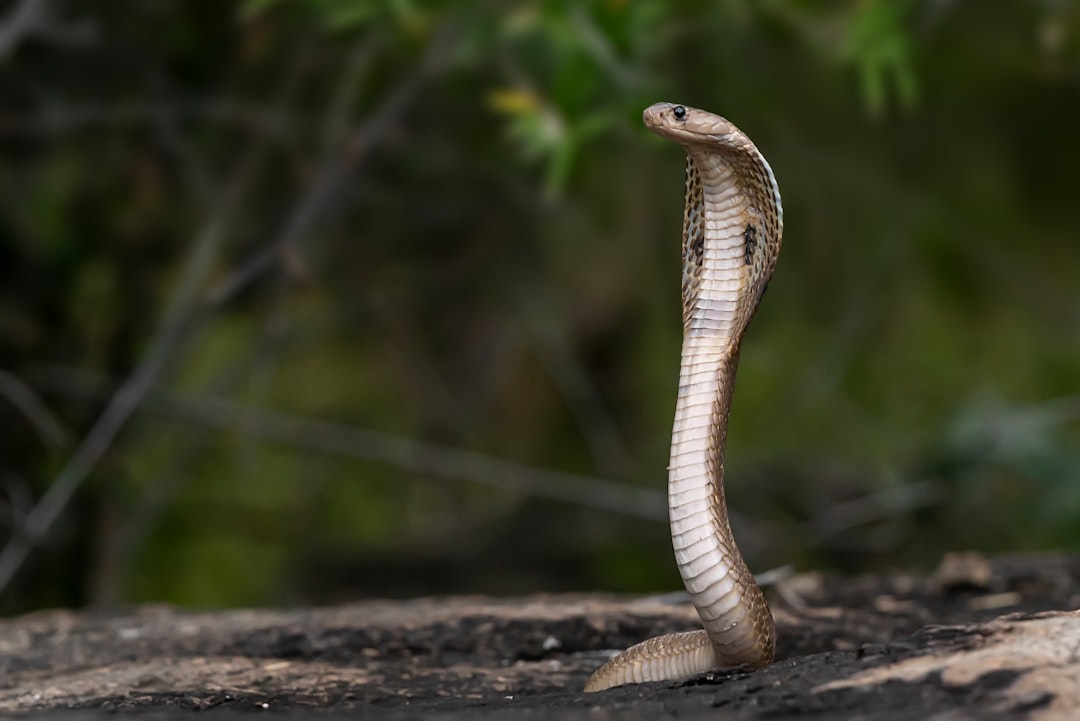
The nearest I got to trouble – looking into the face of death – was outside a pastor’s house, thinking I was safe I poked a spitting cobra through the mesh of a box with a stick, not knowing it could spit. I survived, but it rattled me (see what I did there!) when I found out. Some lessons only need learning once. Keep your distance. And don’t poke spitting cobra’s with sticks.
There’s something about snakes that makes your whole body tense, your pulse race. You don’t need to be taught to fear them. The fear is natural, instinctive.
So it’s strange, isn’t it, that Jesus – of all the images He could’ve chosen – says to Nicodemus the Rabbi, “As Moses lifted up the serpent in the wilderness, so must the Son of Man be lifted up.” Take a breath; astonishingly, not a lamb, a shepherd or a temple. A snake on a pole.
Back in Numbers 21, the people had reached breaking point. The long road through the wilderness, the unchanging manna, the silence of heaven – faith gave way to complaint. And this time, judgment came swiftly. God sent venomous serpents into the camp. They came by night, by day, slithering under blankets, striking at heels. Panic swept through hundreds of tents like a tsunami. People died. And in the sorrow, a cry erupted from the heart of the multitude to Moses: “We have sinned. Pray for us.”
But here’s the strange part. God responds to Moses, but doesn’t take the serpents away. He doesn’t silence their hiss, remove their poison glands or dull their fangs. Instead, He tells Moses to make a serpent out of bronze – something cold and lifeless – and lift it up on a pole. It would have taken time to forge a bronze serpent, meanwhile, people were dying… No special words. No ritual. Just this: if you’re bitten, look at it. You’ll live.
That’s it. Life for a look. Is that enough?
But that takes humility. You have to admit you’ve been bitten. You have to believe that healing comes from looking at the very thing that represents the curse. You don’t fight the snakes. You don’t earn your recovery. You look. Take a long, long look just to make sure. And look again, and again.
And Jesus says: That’s Me.
The Son of Man must be lifted up. Not raised in honour, but in agony. Not robed, but stripped. And like the bronze serpent, He became the image of the very thing killing us. Sin. Shame. Death. Not His, but ours. Hung where everyone could see. That’s the scandal of it. The Saviour looks like the problem. In a twist in the story, the place of death becomes the place of healing.
God didn’t remove the snakes slithering around the large camp, and He doesn’t always remove the pain, once bitten they knew it. Some of us are still feeling the bite in life – grief that lingers, wounds that won’t close, prayers that simply and seemingly go unanswered. But the offer still stands: look. Just look. Trust while bitten. Hope while hurting. It doesn’t make sense – but it’s how God works.
Despite our calamity and frenzied activity He doesn’t hardly explain. Why would He need to? He draws connections. Jesus joins the dots. What felt like silence in the past was preparation. A bronze serpent there, and then, now, here – something better. What seemed random then was provision. And every so often, if you stop long enough to trace it and join the dots, you realise God’s been weaving something into your story you couldn’t see at the time. All things work together for our good, not our punishment, or to teach us a lesson, or to make a point, but for our good.
He is always the answer. Even when the wretched snakes remain.