Reading time: 5 minutes
Not taxes or death …

I’m not sure why I have felt impressed to write on sin, forgiveness, and reconciliation over the last few months. At the heart of prophetic ministry is the call not only to look to Christ and the Cross, but also to deal with the disqualifier that hinders the heart and disrupts fellowship with God: sin.
The Cross is the answer, not merely an antidote to sin. Prophecy builds, encourages, and edifies by drawing the heart of the believer back to Christ — closer and nearer, urging them “Draw near to God, and he will draw near to you.” (James 4:8)
They say only two things are guaranteed in life: taxes and death. But the older you get, the more you realise there are at least three others—change, guilt, and forgiveness.
Change is unavoidable, guilt is inescapable, and forgiveness—well, forgiveness is possible, but only in Christ. There’s some wriggle room there, I am of course saying that forgiveness is guaranteed, based on the assertion of scripture. By way of explanation, John’s words cut through the thick, dense, fog of shame like a flare over dark waters: “If we confess our sins, he is faithful and just to forgive us our sins and to cleanse us from all unrighteousness.” (1 John 1:9) There it is; invitation, promise and guarantee.
The thing we all know about guilt is that you can run from it, but you can’t outrun it. It’s the sting of sin and it will catch up with you. You can attempt to silence guilt in busyness or smother it with your favourite distraction, but it never goes quietly – it lurks, waits, whispers in the dark. David knew that all too well. Israel’s greatest king – warrior, poet, chosen by God – was capable of adultery with Bathsheba and deviously arranging the death of her husband Uriah to cover his sin (2 Samuel 11). In the UK King David, would probably receive a mandatory life sentence and possibly additional charges relating to abuse of office.
David wore the mask for months, carrying on with king ‘stuff’ as though nothing had happened, but guilt gnawed at him. Later he confessed, “When I kept silent, my bones wasted away through my groaning all day long” (Psalm 32:3). Let’s not be daft – or try to fool ourselves, there is no such thing as hidden sin. God sees it, and you know it. What you refuse to bring into the light quietly drains your strength and your joy in Him. It corrodes joy. It isolates. Sometimes guilt can be a private matter, only you and God know, but God looks at you and doesn’t blink, and never looks away…
When David finally broke the silence – when Nathan’s confrontation ripped the cover off his hypocrisy – found out, he confessed, and found hope, “I acknowledged my sin to you, and you forgave the iniquity of my sin” (Psalm 32:5). That is the miracle of confession, what we fear will destroy us actually becomes the doorway to life.
Peter tasted the same bitter medicine. Full of swagger and skibidi on the night of Jesus’ arrest, he declared he’d never abandon his Lord, but before dawn broke, he denied Him, then again … and again. In that moment as the cockerel crowed Jesus turned and looked across the courtyard, not at his accusers, the soldiers or the bystanders but straight at him. Peter’s bravado collapsed, imploded. He ran out into the night, weeping bitterly (Luke 22:61–62).
That very well could have been the end of his story – crushed by guilt, forever remembered as ‘the disciple who failed’, but after the resurrection, Jesus sought him out in person, alone. Beside the fire by Galilee, Jesus restored him, not with scolding but with tender, loving forgiveness. That cleansing turned a coward into a preacher who would lead thousands to faith at Pentecost.
This is one reason why John doesn’t flinch in saying God is both “faithful and just” to forgive. Forgiveness is not God deciding to be lenient, as if He looks the other way. It is His justice – because at the cross, Jesus bore the full weight of our sin. The debt is paid. As Calvin wrote, “God would be unjust if He did not forgive, for He has bound Himself by His promise.” The cross means forgiveness is not fragile hope but ironclad certainty, a guarantee.
And forgiveness is never bare or meagre. God not only pardons but cleanses. John promises that He “cleanses us from all unrighteousness.” Forgiveness wipes away guilt, cleansing wipes away the stain. The shame that makes you shrink back, teh dirtiness that makes you feel unworthy, the self-hatred that keeps you silent – all of it is washed away. The blood of Jesus doesn’t just change your HR record in heaven, it changes your heart on earth.
Here’s the urgency, you must never hide. You can’t. But maybe you do, or are. John’s audience included people who claimed they had no sin, who denied they even needed forgiveness. It wasn’t based on poorly crafted theology, they really did think they had no sin. That lie kills. The church is not a gallery of saints displaying their polished virtues; it is a fellowship of the forgiven who live by confession. Bonhoeffer warned, “He who is alone with his sin is utterly alone.” Isolation is deadly. Hiding your sin will suffocate your soul. Owning your sin clears the runway for mercy to come thundering in like a passenger jet at full throttle.
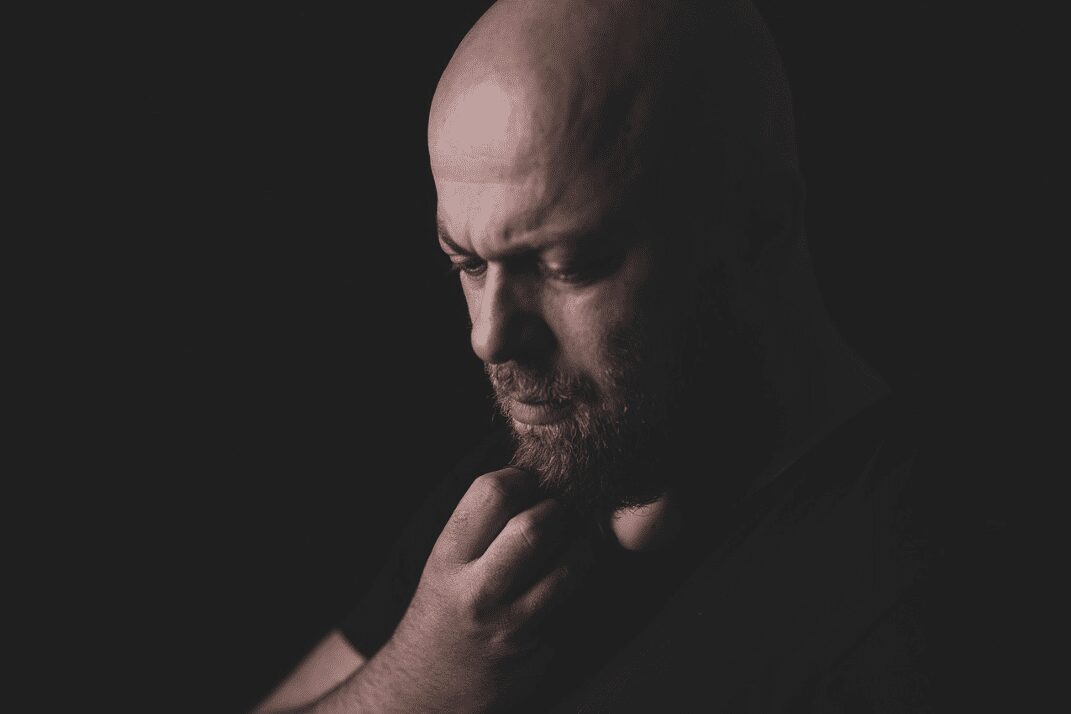
If you are crushed by guilt today – if the past stalks you, if shame sits heavy on your chest, if you feel disqualified and hopeless – this is your moment, forgiveness is not figurative, it is guaranteed in Christ.
God is more eager to forgive than we ever are to confess.